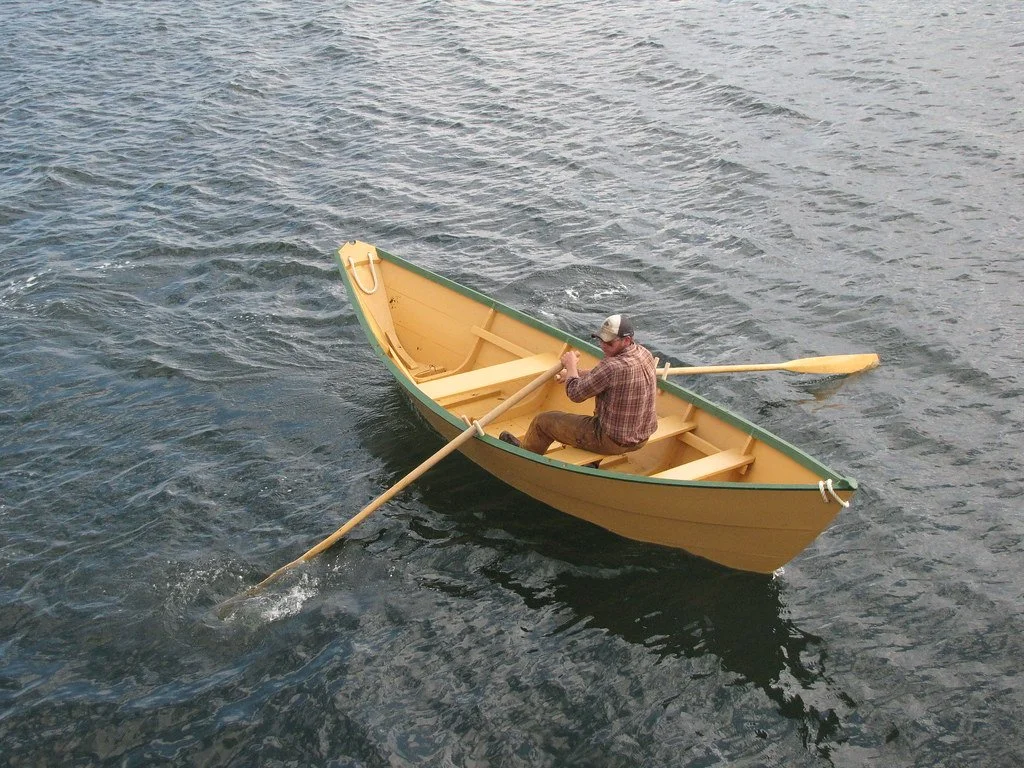
What’s a dory?
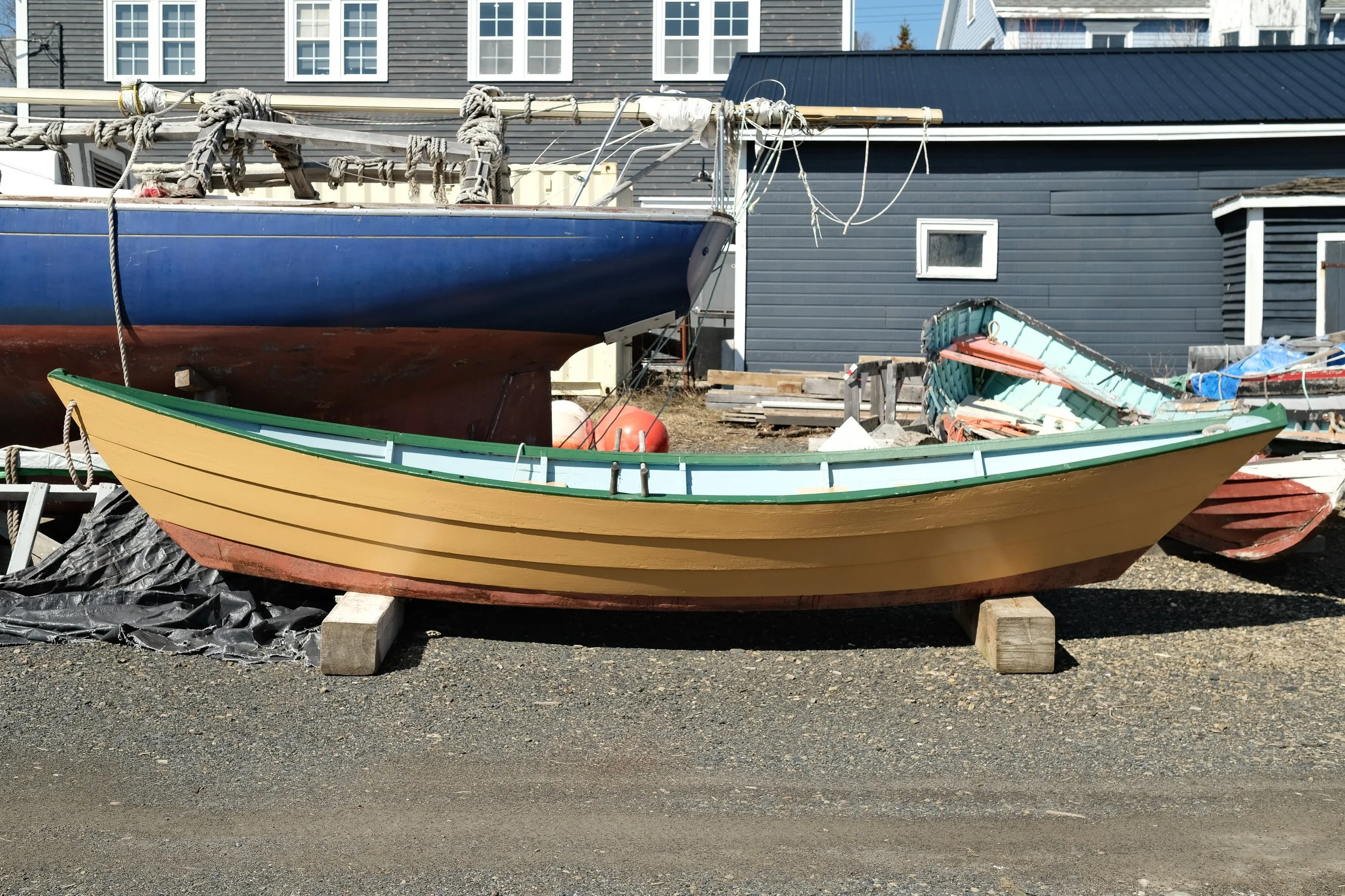
“A dory is a flat bottomed boat, with sides and bottom planked lengthwise and with no keel structure other than the bottom planking.” - John Gardner, The Dory Book
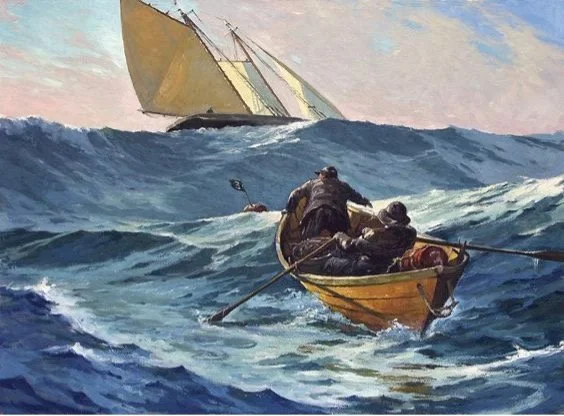
The earliest dories were likely built along the banks of the Douro River, which flows from northern Spain through Portugal to the sea. It is widely believed that the name of these small craft derives from that river. Both the Portuguese and other Europeans used the dory for fishing as far away as Iceland and Newfoundland, at least as far back as the sixteenth century.
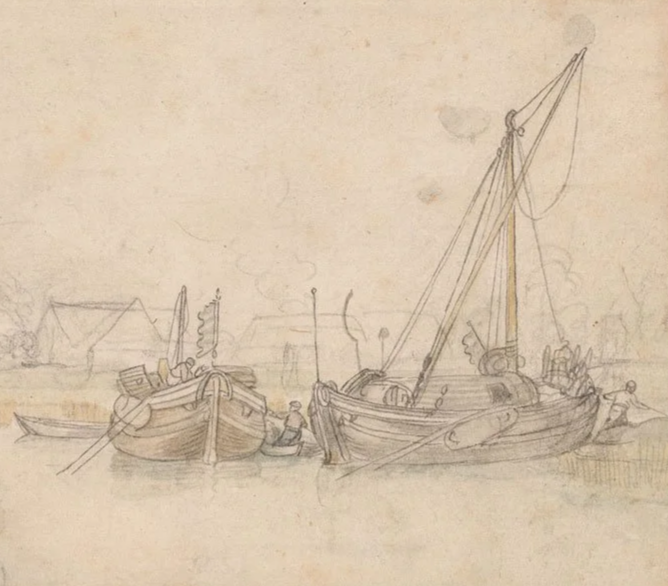
Hendrick Avercamp of Holland is thought to have been one of the only Renaissance painters to depict this type of boat.
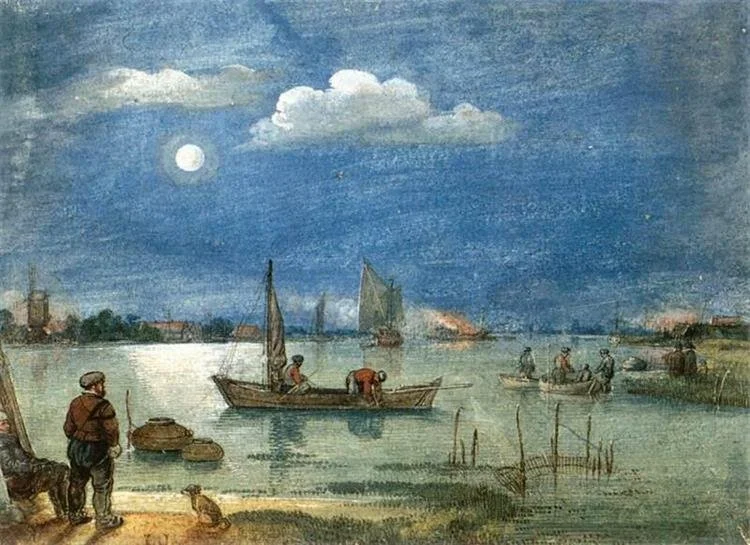
Fishermen by Moonlight 1634 - Hendrick Avercamp

Winter Landscape with Ice Skaters 1608 - Hendrick Avercamp
English colonists on this side of the Atlantic used dories for fishing as well, and later generations of Gloucestermen and Lunenburgers relied on them aboard their large schooners for ground-fishing on the Grand Banks.
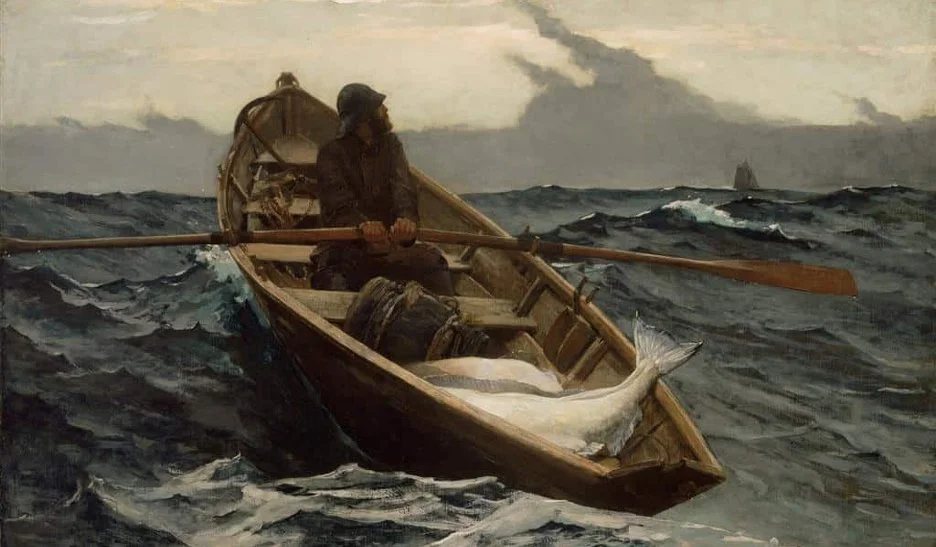
Dories were common fishing vessels in Labrador, Newfoundland, Prince Edward Island, Nova Scotia, New Brunswick, Quebec, and along the coast of Maine. They were found up and down the eastern seaboard as far south as Cape Hatteras, throughout the Caribbean, and among the salmon vessels of the Pacific Northwest, including Alaska.
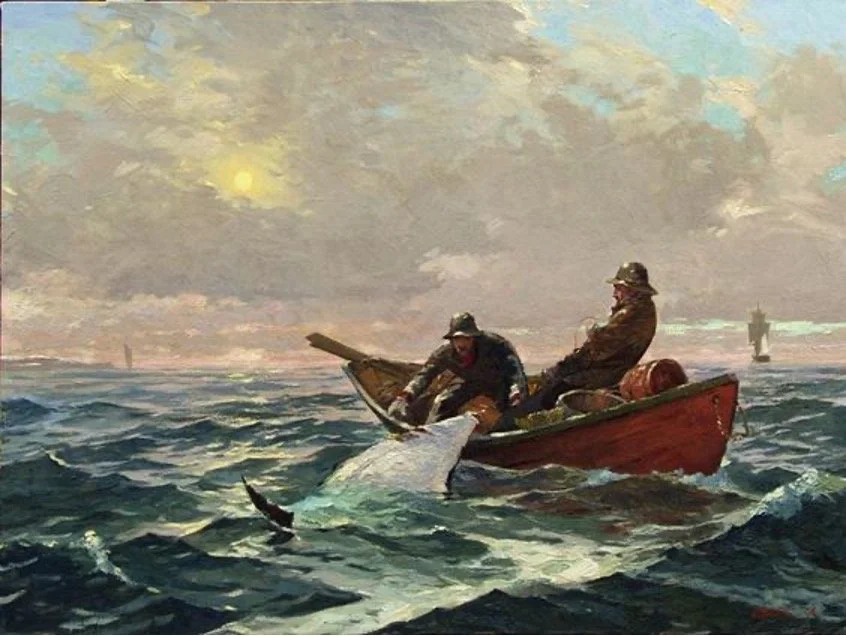
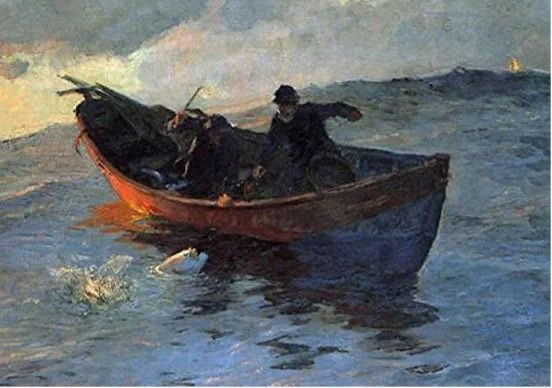
Within the last decade, the Great White Fleet out of Oporto and the Tagus at Lisbon used dories to fish the Atlantic. Many along our shores once depended on them — from a single man working a couple of handlines, to two men hauling tub-trawls or nets from nearby waters every day.
Winslow Homer painted the dory extensively in his later years, as did the distinguished artists Thomas Hoyne and Jack L. Gray more recently.
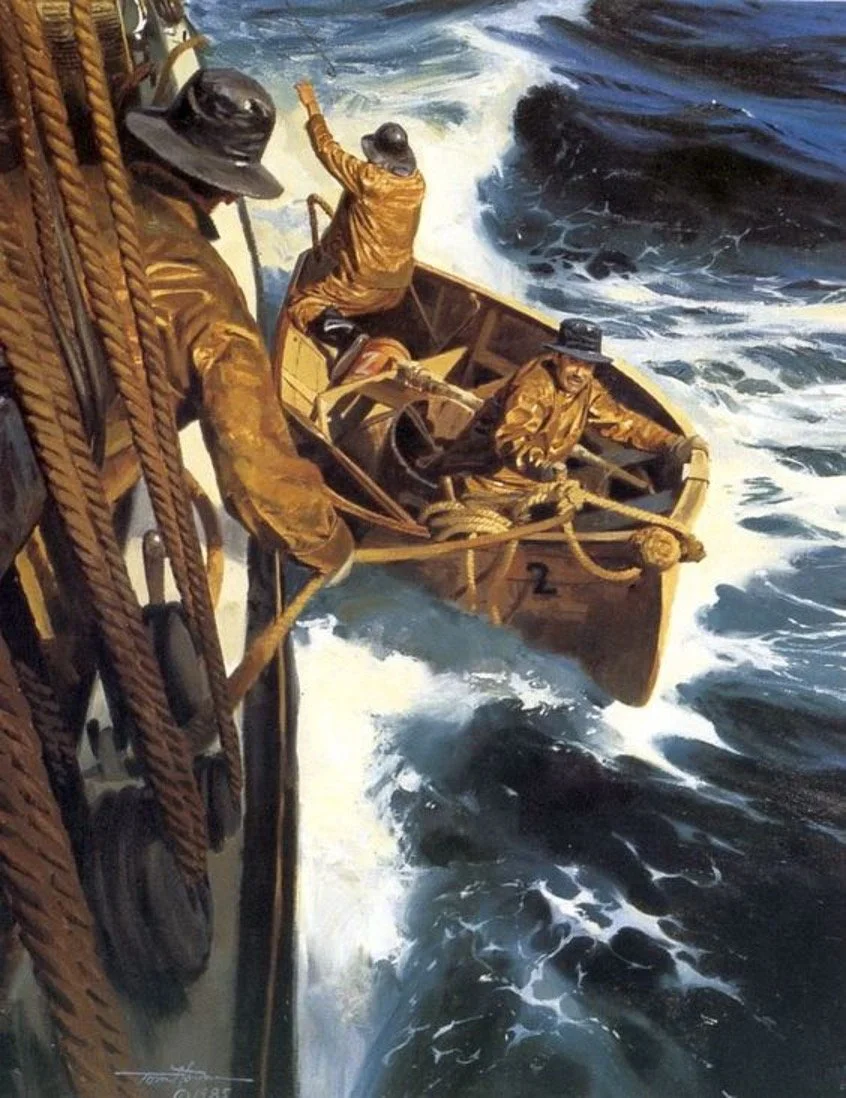
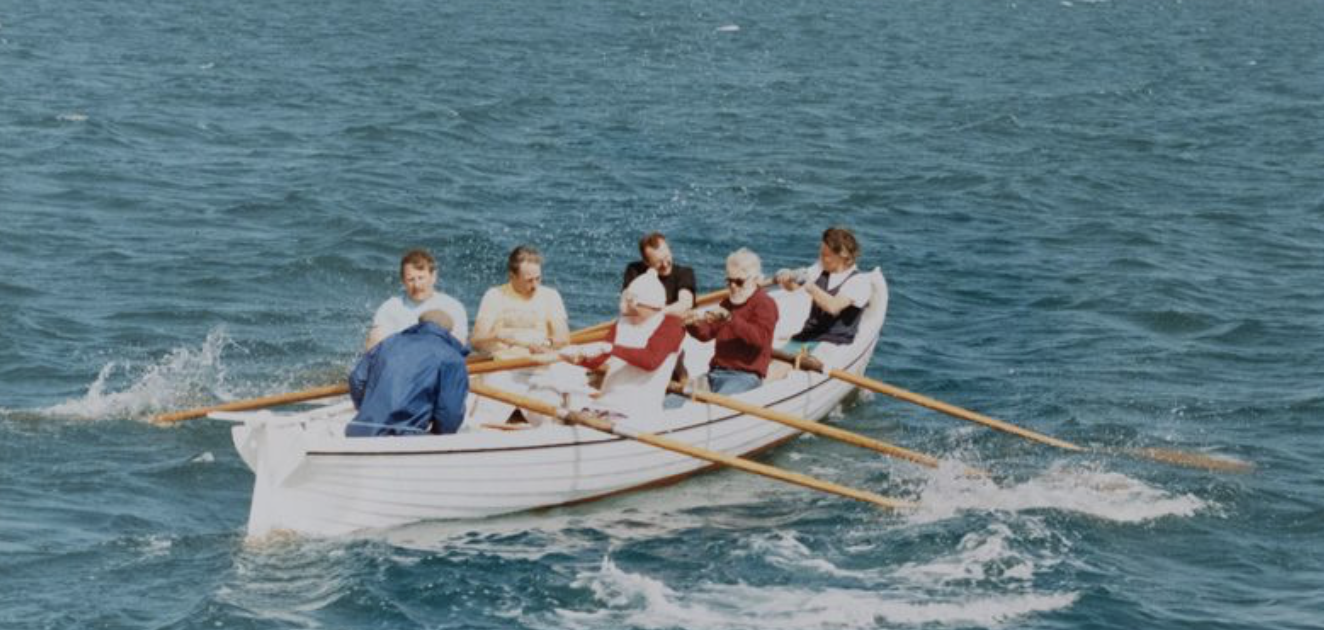
They continue to be in demand as yacht tenders — including the Little Sister and Admiral’s Dory — as well as general pleasure craft.
Dories are not only seaworthy but highly capable of carrying significant loads. With the weight of people, fish, or gear aboard, they become extremely stable, despite having narrow sterns (transoms).
Their narrow sterns make them well-suited for rowing, and in the tradition of river bateaux they are well-designed for running whitewater stern-first. Their sheer helps prevent water from coming over the bows. The shape of their bottoms allows them to slide in a beam sea and avoid broaching.
Dories up to and including the size of the trawl dory are typically rowed by one or two people. Unlike some lighter craft, they can be enjoyable to row. Larger dories can be rowed with sweeps (longer oars), with two rowers working a thwart (seat), or all dories may be sculled over the stern or pushed or pulled standing up for short distances.
Oars are generally made of spruce or ash. Hardwood oars are heavier but last longer. At the point where the oar contacts the tholepins or oarlocks, it can be protected from wear with a piece of leather or canvas or hide.
Dories will sail with almost any rig. Years ago, they carried only one sail — a gaff or sprit sail — to bring the home vessel its catch from the Banks. They also sail well to windward and can carry a full mainsail and centreboard, and even with a jib are effective sailing vessels. Propulsion from an outboard on the stern provides greater maneuverability, though it is not always necessary. It is worth considering fitting an inboard well, since the opening at the lower section of the transom raises the stern slightly and alters the dory’s profile.
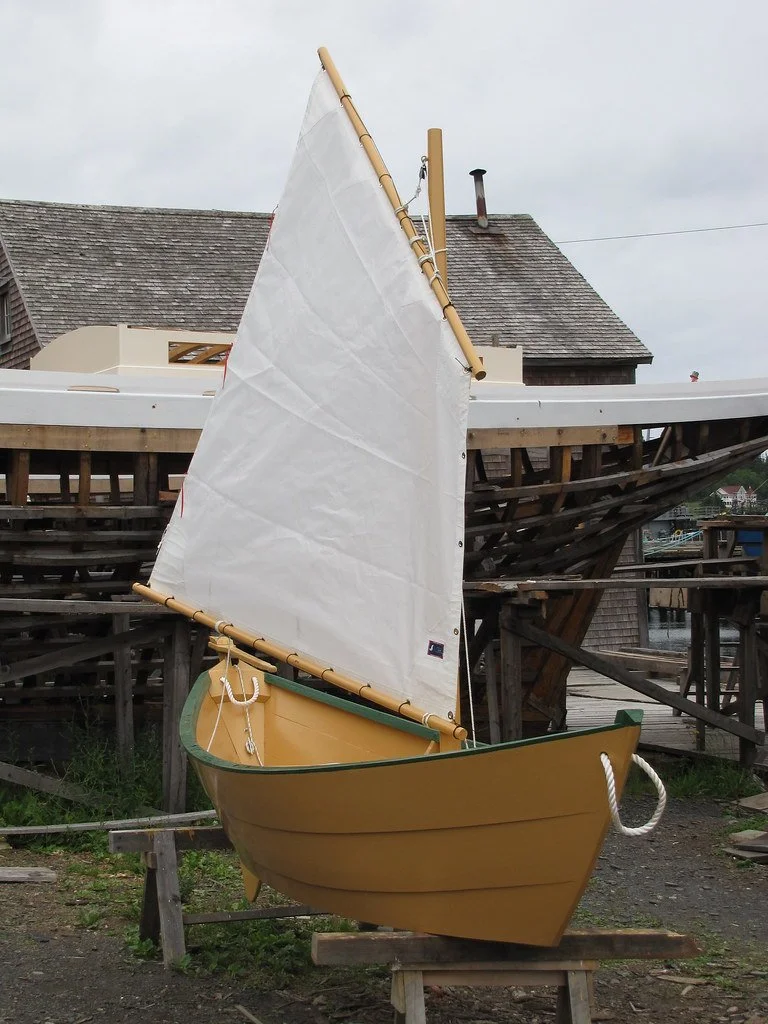
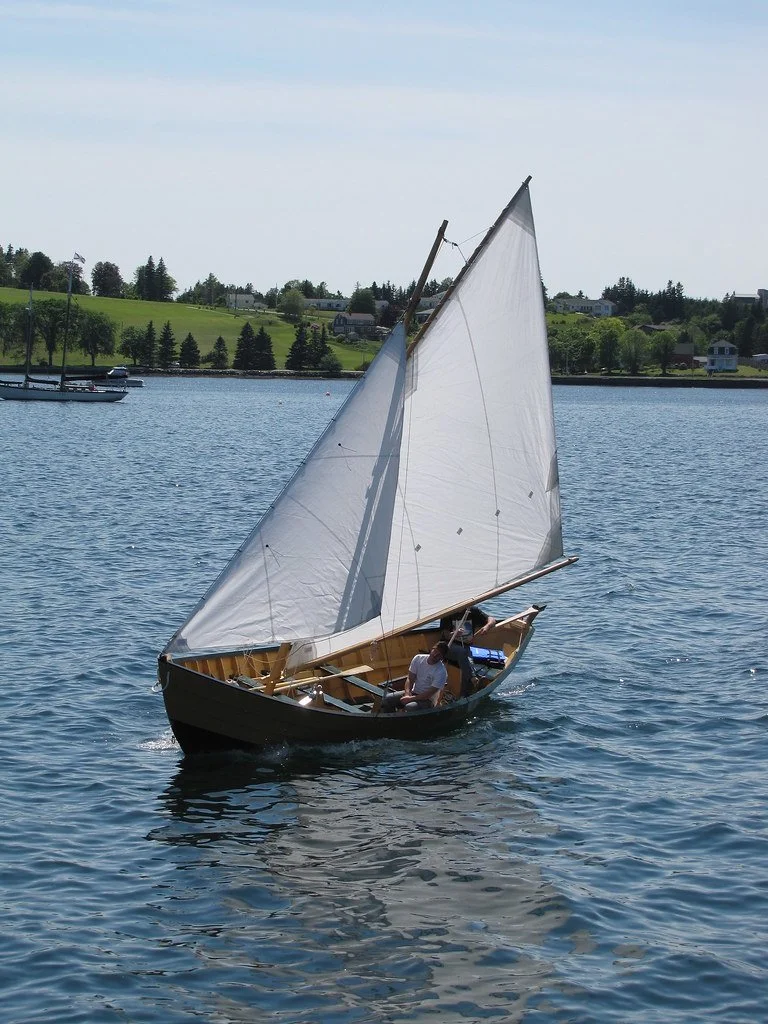
Sails.
While best known as rowing craft, dories also make for fun and versatile sail boats. With a fairly minimal investment, you can outfit all but our very smallest boats with a simple, and fully removable, sailing rig.
Masts thread through a hole cut through the forward most seat, or thwart, and rest in a step fastened to the boat's bottom. Stays are not generally required.
For best results, we do suggest the installation of a centreboard, which can be let down to act like a keel, keeping the boat on course while sailing, but can be hauled up when you wish to beach or trailer the boat. A rudder with a nice long tiller arm provides comfortable, reliable steering and is also designed so that it can be hauled up when not in use.
Motors.
Outboard motors are often used in dories, either in the traditional inboard well or positioned just forward of the transom. Brackets on the quarter for a small motor can also be used.
Permanent inboard engines are frequently installed. The tried-and-true single and double cylinder ones of the make-and-break and jump-spark variety — still manufactured in Lunenburg and Bridgewater — provide good power at low cost.
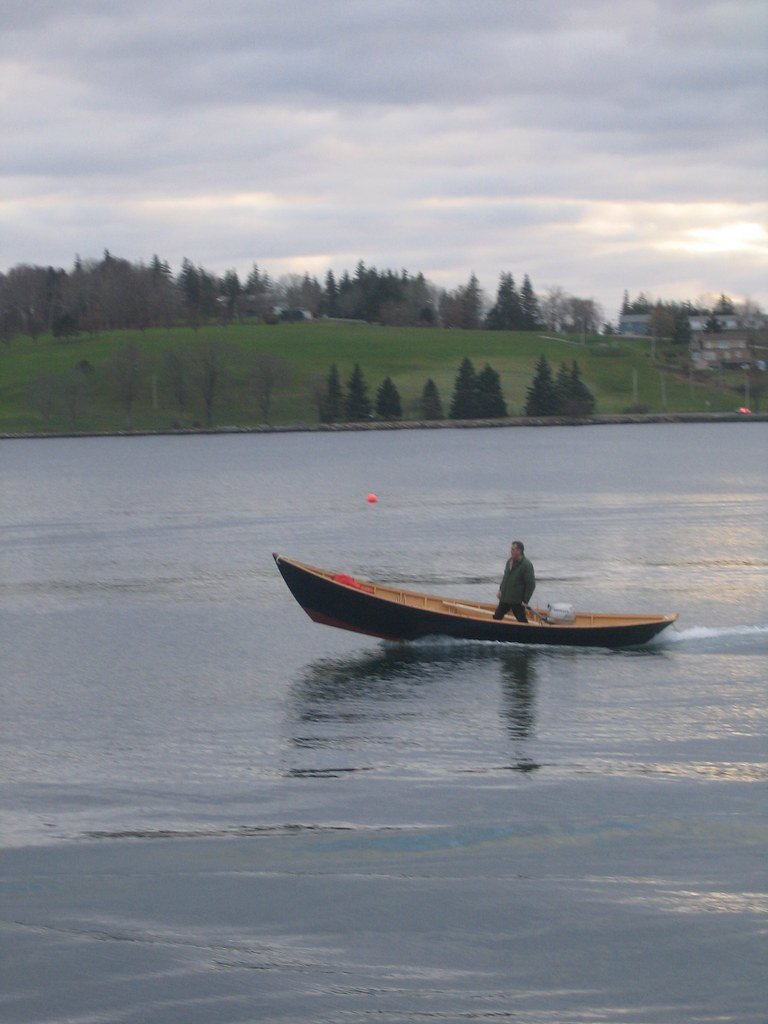
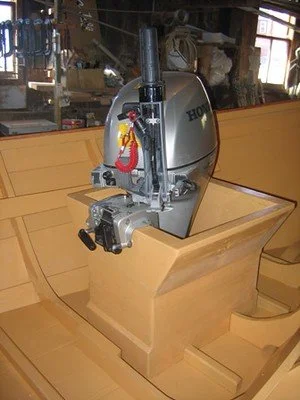
Other types of small engine (gasoline or diesel, even with air cooling) are also used. Keels (skegs) for an inboard engine — known as haul-ups — allow the wheel (propeller) to be hauled into a watertight box. A universal joint in the shaft makes this possible when the engine is off. It is easy to haul up a dory ashore or slip it onto a trailer this way.
A simple rig that's perfectly effective, especially for our smaller dories, the balanced lug is based on a single sail that is not attached to the mast in any way, but rather is laced to the boom and yard. This makes a lug sail easy to rig, to reef and to repair - but then again, there's not a lot to go wrong here and no expensive fittings to mess with.
Interested in owning your own dory? Whether it’s a classic style or something more custom like storage and rigging, we’re here to help.